Where the quote comes from
The first garment pays for the questions.
What you pay for when you commission one piece, how to compare quotes, and which changes can save money without losing the garment you wanted.
The useful comparison is the full price for the same design, materials, fitting process and correction terms.
Custom clothing cost comes from development, materials, making and the work needed to deliver the agreed fit and finish. A one-off may carry pattern and sampling costs that ready-made clothing spreads across a run. The amount depends on what the maker already has and what your particular garment requires.
There is no useful universal price for a custom garment. A decorated blank, an adjusted existing pattern and an original dress are different purchases. Here is how to read a quote for one piece, without borrowing the economics of launching a clothing brand.
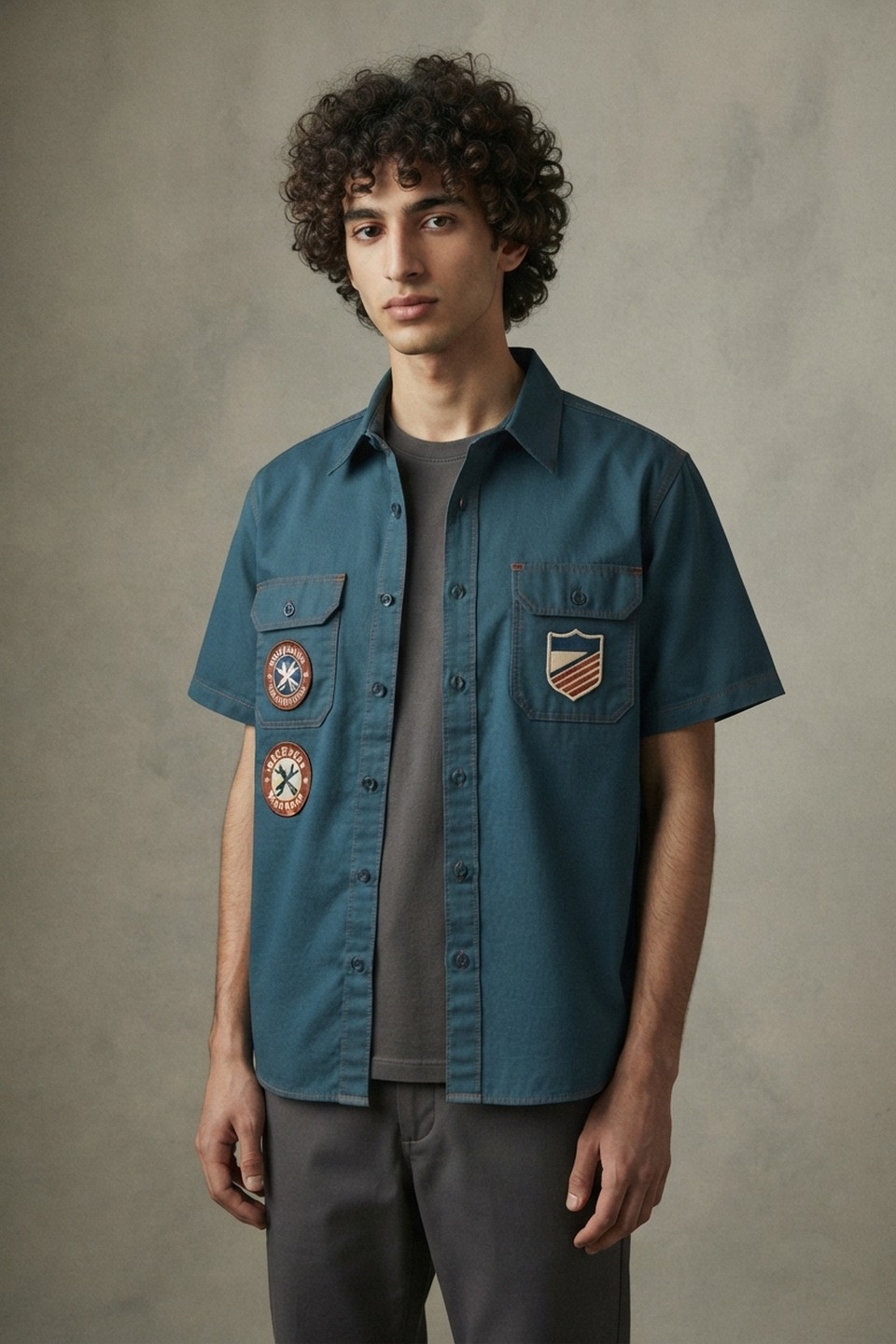 AI concept render
What needs a new pattern or a physical trial?
Which cloth and trims, and how much?
What cutting, sewing and finishing are included?
How will the fit be checked?
What happens if the agreed result is missed?
What remains to pay before it reaches you?
Start by naming the kind of custom work.
Putting artwork on an existing T-shirt, adjusting a shirt from an established pattern, and developing an original garment are different jobs. The first reuses a finished blank. The second reuses much of a design and construction process. The third may require a new pattern, material sourcing and several physical trials. Similar-looking finished clothes can arrive through very different amounts of work.
Ask what already exists before asking why the quote is high. Is the maker adapting a tested pattern? Is your fabric in stock? Does the proposed shape need development? For someone buying one piece, those questions are more useful than a factory’s price for hundreds.
Separate the first-piece work from the repeatable work.
Reading the brief, making or adjusting a pattern, finding materials and correcting a sample take time before there is a finished garment to deliver. Cutting, sewing and pressing then produce the piece itself. A maker may itemize these costs or combine them into one price. A bundled price can be perfectly reasonable; the point is to know what work it includes.
Here is an invented example, not a market benchmark or an ownthread quote: $180 of development plus $90 of materials and making gives a $270 first piece before delivery and tax. If that development can be reused without changes, a second $90 piece brings the two-piece total to $360. The average falls to $180, but you have spent $90 more. Buy the second only if you want it.
Repeat pricing is conditional. A different fabric, a changed body measurement or a revised shape can require more work. Ask what is retained from the first order and what can be reused. Do not assume a pattern, a particular fabric or the maker’s capacity will remain available indefinitely.
A plain-looking detail can take a long time.
The front of a shirt hides its collar layers, interfacing, buttonholes and seam finishes. A pocket with carefully matched stripes takes more handling than a plain patch cut wherever it fits. A lined dress is another garment-shaped set of pieces to cut, assemble and attach. Visual simplicity is a poor measure of sewing time.
Ask the maker to identify the details driving the price. Then protect the ones you will notice every time you wear the garment. If the whole reason for your shirt is comfortable bust shaping, removing that work defeats the purchase. A special imported button may matter less to you than it did in the first drawing.
The fabric price needs a quantity beside it.
Fabric sold by the meter or yard has a usable width. The pattern pieces must fit inside that width with the right grain direction and any required print matching. A long full skirt can consume much more cloth than a short straight one, and a one-way motif limits how pieces can be turned. Ask for the material allowance for your actual design and size.
Stock cloth can avoid the minimums and waiting associated with a specially ordered material. It is useful when the available fabric meets the brief. A cheaper substitute that changes opacity, drape or feel may make the finished piece less wearable, even if its fiber label sounds similar.
Put two quotes inside the same boundary.
Write one line for each included item: design and pattern work, fabric and trims, physical sample if any, fitting or corrections, the finished garment, and delivery. Ask separately about applicable tax or import charges. An estimate with missing items cannot be compared directly with an all-in price.
Check which changes are included. Correcting a measurement that missed the agreed specification is different from changing your mind about the neckline after seeing it sewn. Ask how each situation is handled, when extra work needs your approval and whether the first payment buys a finished piece or only a development stage.
Keep the agreed design, price and next approval step together in writing. A drawing can settle the appearance while leaving fabric and fit unresolved. Know what you are approving at each stage instead of treating every attractive picture as a finished specification.
Fit and correction terms belong beside the price.
For a garment made for one person, the fitting process can matter more than a small price difference. Ask how measurements are taken, whether a physical fitting or sample is included, and what happens if the finished garment does not meet the agreed requirements. A photorealistic concept does not answer any of those questions.
Read the offer for the exact garment you are considering. Different makers and construction types can have different schedules and correction terms. Ownthread shows the current offer on the relevant garment page; this guide does not replace that offer or promise one price for every design.
Reduce the cost without losing the reason to make it.
Start with a proven shape where it suits you, choose an available fabric you have approved, and remove details that do little for the way you wear the piece. Give the maker your priorities before asking for alternatives: a secure neckline, a specific sleeve length or a pocket that holds your phone may be worth preserving while the trim changes.
Sometimes a ready-made garment with an alteration is the better purchase. Sometimes the unavailable shape is the entire point, and development is worth paying for. Compare those routes against the same desired result. The useful price is the total for a garment you will actually wear.
Take a clear brief to the price conversation.
Bring a reference, explain what must work on your body, and mark the details you can change. Ask for the total, the material assumptions, the fitting plan and the correction terms. You will leave with a decision you can make, rather than a number you have to interpret.