What do you mean by “dress”?
A wrap describes a fastening. A-line describes an outline. Midi describes a length. Learn which dress names help you find the shape you want, then explore the interactive silhouettes.
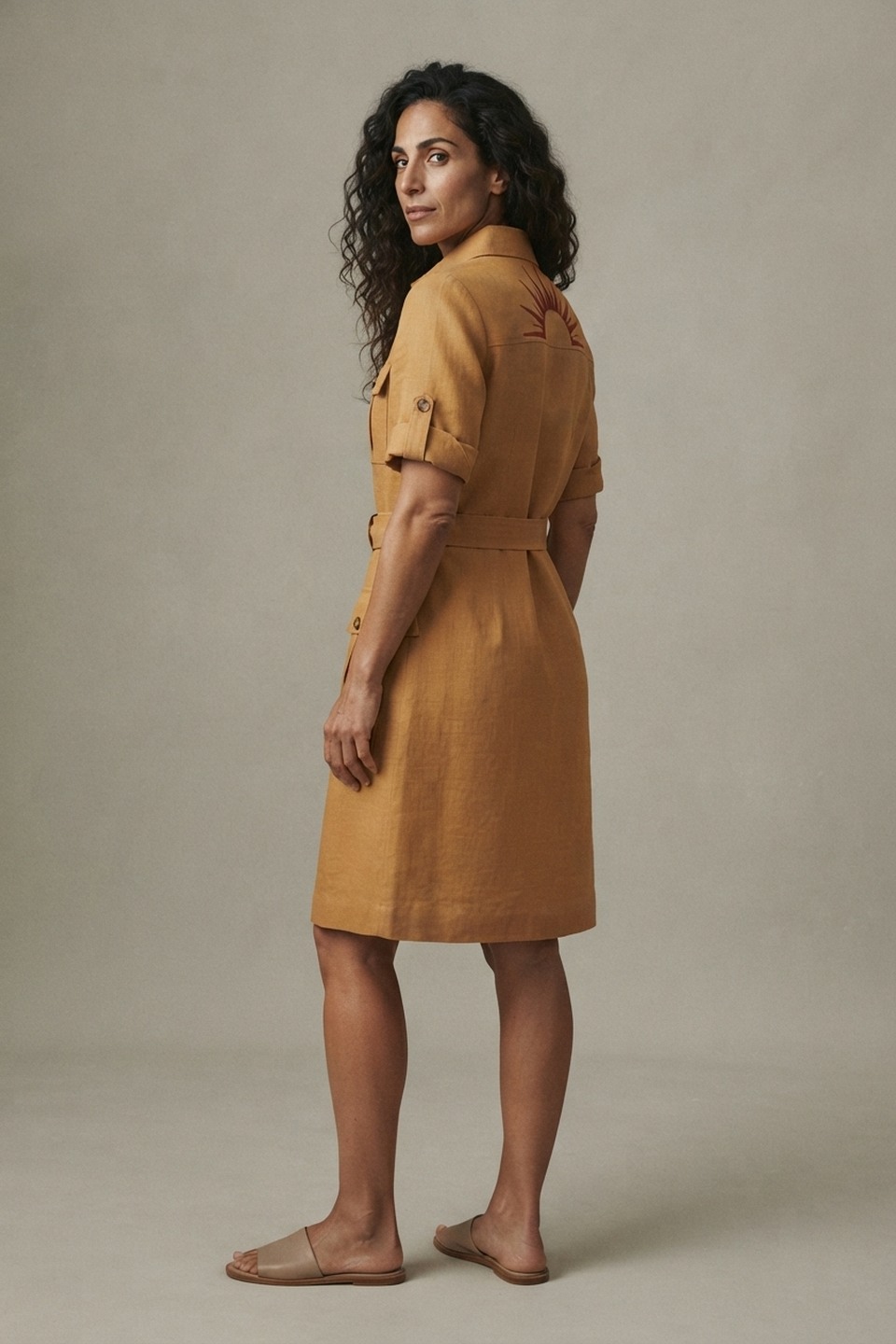 AI concept render
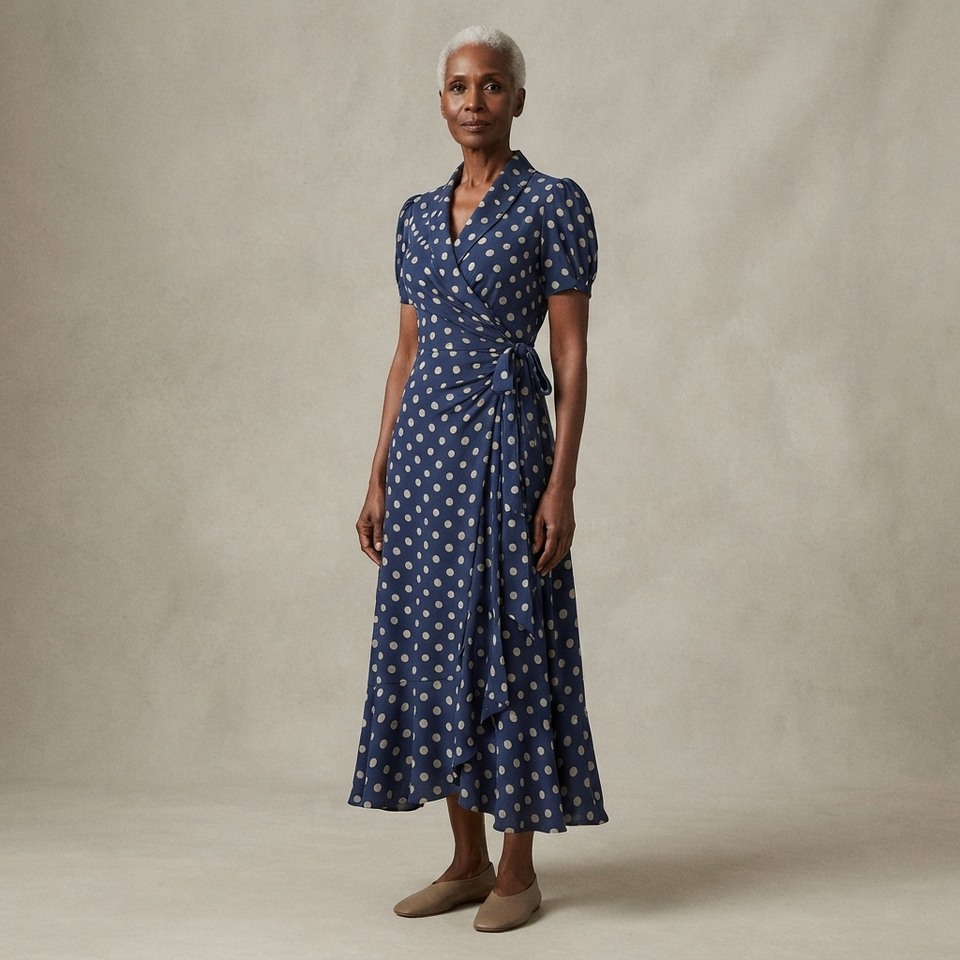 AI concept render
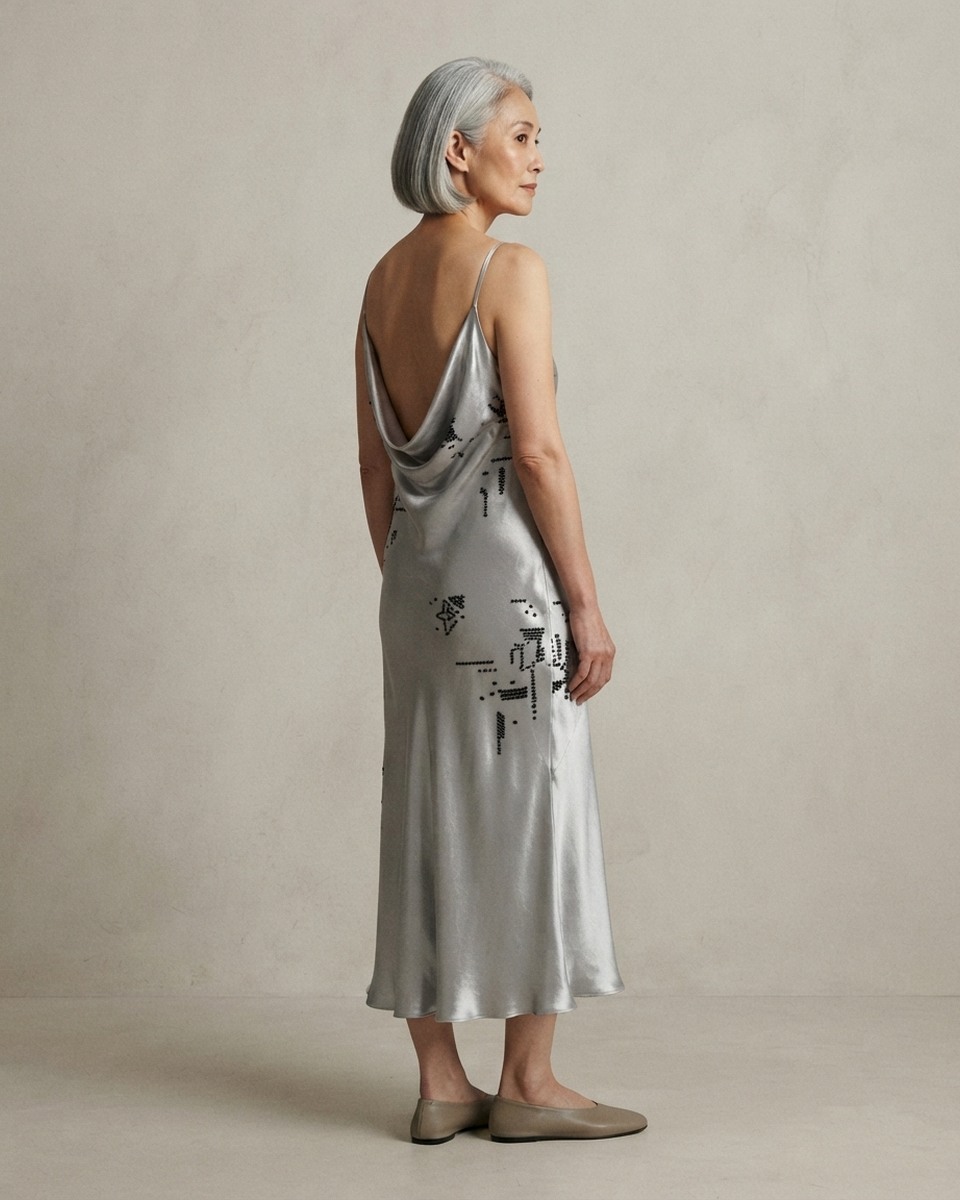 AI concept render
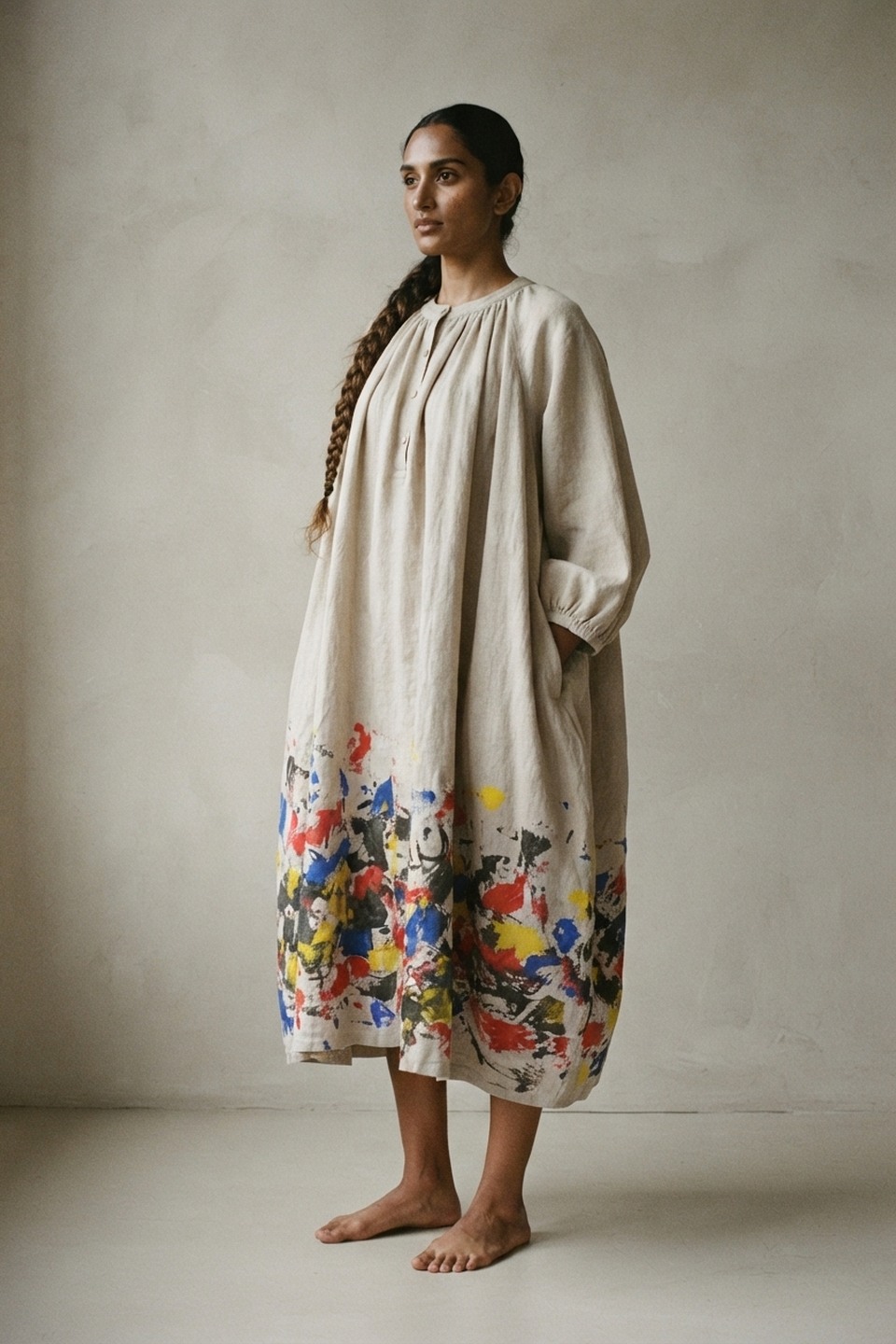 AI concept render
 AI concept render
 AI concept render
Dress types are easiest to compare in three groups: how they are built, what outline they make, and where the hem ends. One dress can be a wrap, an A-line and a midi at the same time. Those words describe different features, so you can combine them in a search or a design brief.
Start with the feature you care about most. If you want a dress that opens across the front, search for a wrap or shirt dress. If you want room below the waist, compare A-line and fit-and-flare shapes. Add sleeve, neckline and length terms after that.
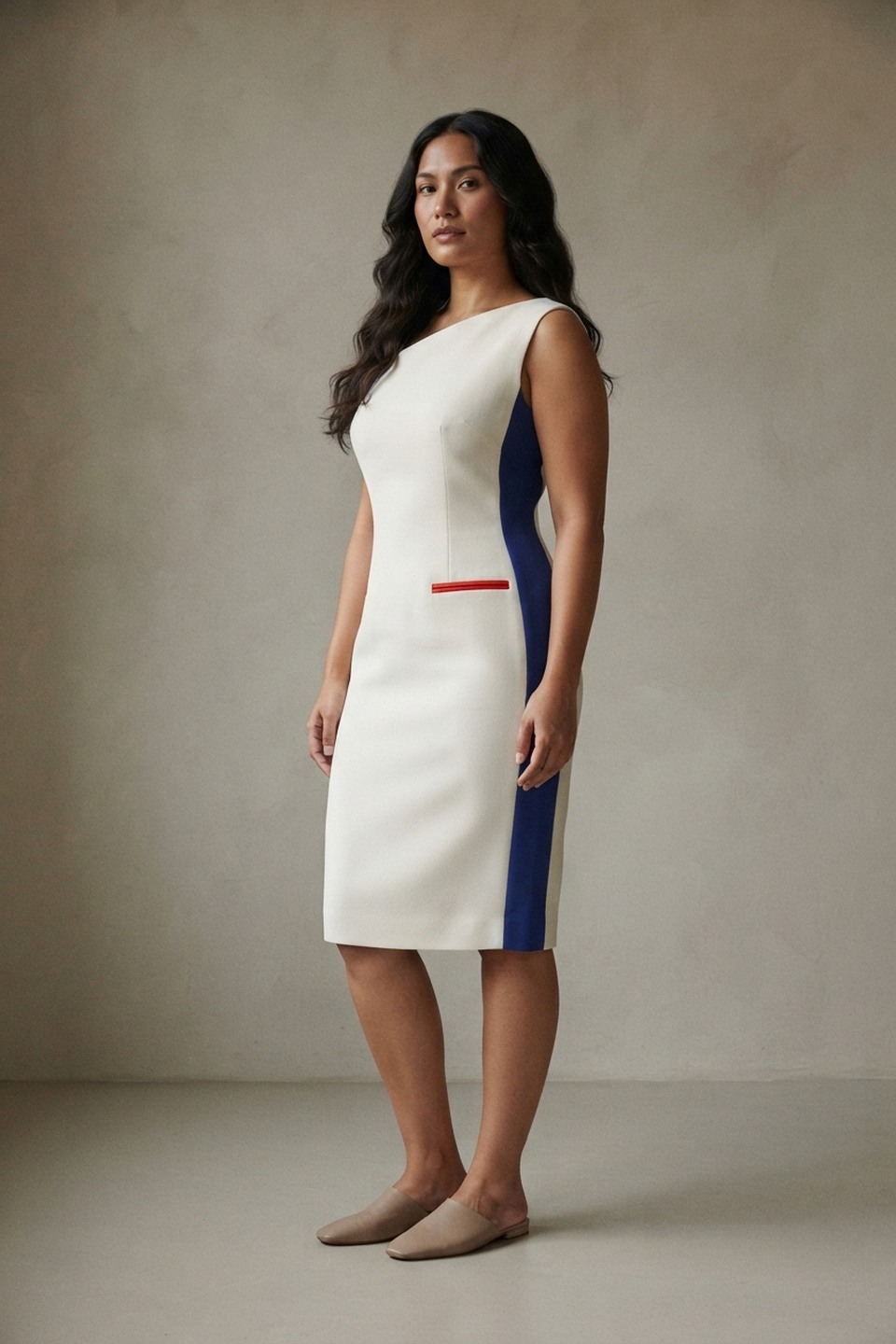
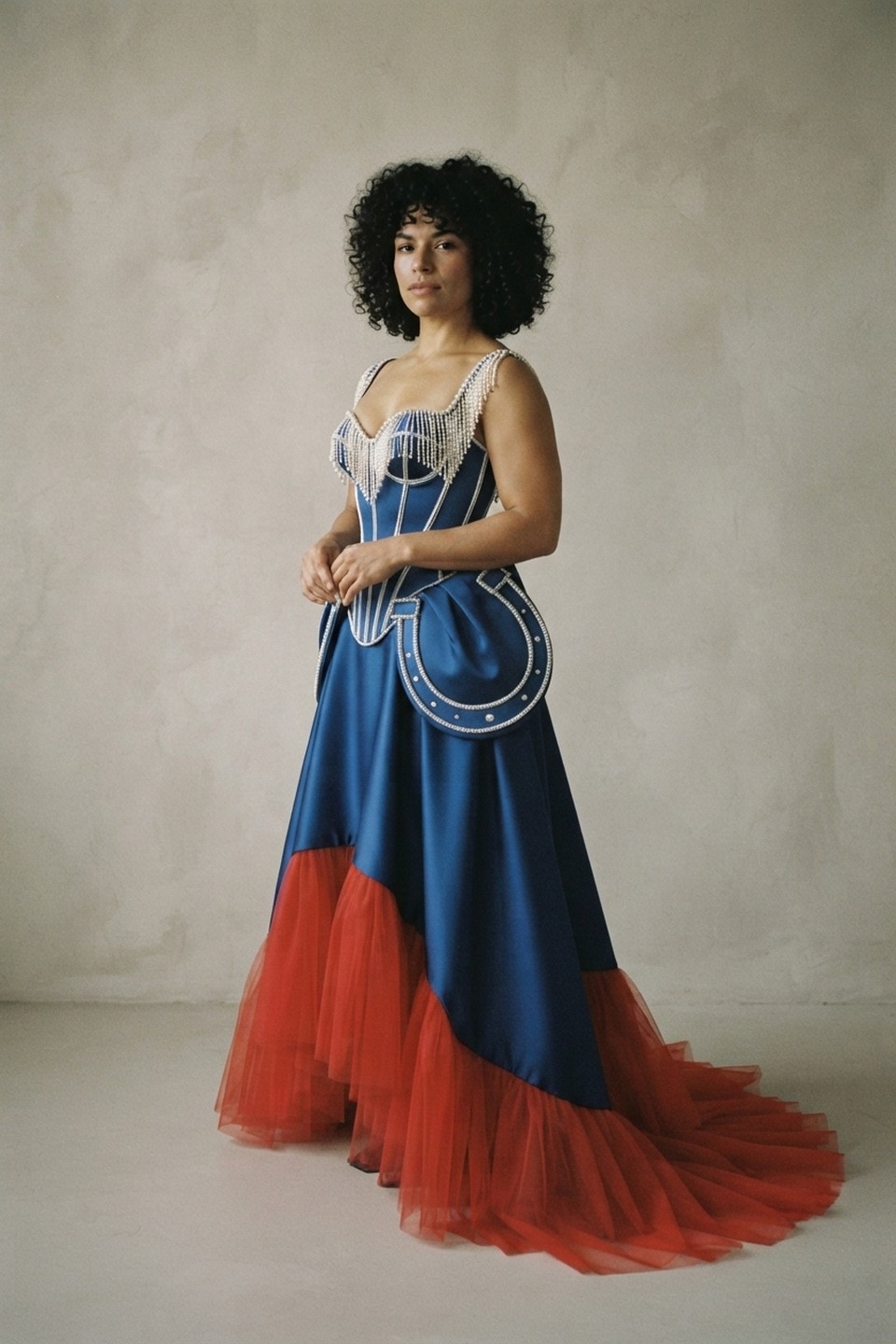
The six concept images above show construction families. A shirt dress borrows a collar and button front. A wrap uses overlapping fronts, though some dresses imitate that effect with a fixed seam. A smock releases fullness from the upper body. A corset dress uses structured shaping in the bodice; its appearance alone does not tell you how much support it supplies.
A slip dress has the light structure and narrow straps associated with an underdress worn as an outer garment. Many use bias-cut fabric, but bias is a cutting choice rather than a requirement of the name. A sheath follows the body more closely than a shift, which usually hangs with less waist shaping. Retail descriptions vary, so check the seams and measurements in the actual garment.
Our underlying taxonomy contains 54 dress starting points. This page shows selected families and a way to compare them, rather than an exhaustive dictionary.
Find a starting point
Choose the feeling before the name.
Three preferences suggest a family to explore. The drawing shows an outline, not a sewing pattern, fit prediction or definitive classification.
Your closest starting point
Wrap dress
A cross-over front and tie make the closure the silhouette.Design from hereA-line, shift and sheath describe different outlines
An A-line widens toward the hem. It can begin widening from the shoulders or below a more fitted upper section. A fit-and-flare dress marks the waist more clearly before opening into the skirt. A shift leaves the waist relatively unshaped; a sheath follows it more closely. These are useful comparisons, with plenty of overlap between store labels.
Ease is the difference between a body measurement and the corresponding garment measurement. Positive ease gives extra room; some stretch garments use negative ease. Where that room sits matters as much as the total. Check the chest, upper arm and hip separately instead of assuming a loose outline means freedom everywhere.
Mini, midi and maxi describe length, not construction. The same label lands differently on different heights and proportions. Ask for a finished measurement and its starting point, then compare it with a dress you own. For close skirts, also check how much room the hem and any slit give you to walk.
Fabric can make a familiar pattern look like a different silhouette. A full skirt in crisp taffeta holds volume; a soft knit falls in closer folds. Compare physical swatches if your reference depends on a particular kind of drape. Matching the outline of a still image does not guarantee the same movement.
dress
Look for the support underneath the silhouette
A photograph may show a narrow waist and a wide skirt without showing the bodice’s boning or the layers under the hem. Structure changes how weight is carried, how the dress moves and what the wearer feels. Ask what creates the shape before treating it as a property of the outer fabric alone.
Museum garments make this especially clear. The Met’s Manus x Machina exhibition examined the techniques behind finished clothes, including tailoring and dressmaking. Looking at construction lets you admire a silhouette while asking what it takes to wear it.
Your brief can welcome structure or avoid it. If you want a secure bodice, ask how it is supported and where you should expect pressure. If you want a soft dress, say whether you still need bra coverage, a stable neckline or a waist that stays in place. Those choices should be visible in the design conversation.
There is no dress family assigned to your body shape. Choose the effect you enjoy: a close column, a strong shoulder, room around the waist or a skirt with plenty of swing. Then check how the garment achieves it on you.
“A black dress with sleeves” is enough to begin.
You don’t need the vocabulary.
A designer can ask what “with sleeves” means. Close and long? Floating and sheer? Gathered into a cuff? The answer can be a word, a picture, a gesture, or “not that, more like this.” Precision gets built in the back-and-forth.
The taxonomy’s job is to sit behind that conversation and remember the possibilities, so you can concentrate on what you like.
Comparison might be the richest language of all. “The neckline from this, the length from that, but with less volume” holds real relationships even when nobody knows the official terms. A reference image is evidence about proportion, material, or mood. Nobody has to copy it.
Negative preferences count too. “I don’t want the sleeve to touch my arm” might mean a wide sleeve, a cap, or no sleeve at all. “Nothing tight at the waist” changes the construction before it changes the decoration. Discomfort is design information.
The expert’s job is to translate without taking over: hear a sensory request, connect it to construction, and hand back options you recognize. Vocabulary is there to widen your choices.
End with a description someone can build from
A useful starting brief might read: a calf-length shirt dress with a straight body, a removable belt, loose sleeves to the elbow and opaque fabric with enough body to keep the placket flat. It combines a construction family, proportions and material behavior in one description.
Add the thing you need to check: sitting comfortably, reaching overhead, keeping a particular area covered, or carrying a phone without pulling the skirt down. Those requirements tell a maker what to evaluate in the sample.
The name gets you to the right starting shelf. The details make it the dress you were looking for.